Non-Noble Finish Degradation Mechanisms
Because tin is the most commonly used non-noble contact finish, it will be the focus of this chapter. Silver and...
Read moreDetails
Because tin is the most commonly used non-noble contact finish, it will be the focus of this chapter. Silver and...
Read moreDetails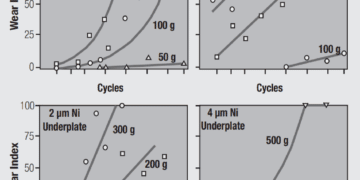
Nickel underplates in noble metal finishes provide another very important performance benefit that is not related to corrosion. The durability...
Read moreDetails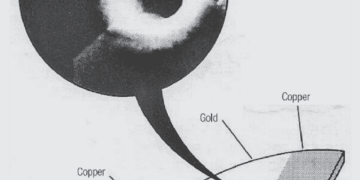
Noble metal finish degradation mechanisms include both corrosion and wear, with wear through of the noble metal leading to increased...
Read moreDetails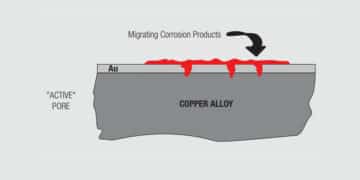
The two most significant contact finish degradation mechanisms are corrosion and wear. While wear is a degradation mechanism, its main...
Read moreDetails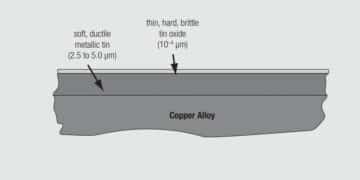
Tin is the dominant non-noble contact finish due to its widespread use in connectors for commercial and industrial applications. Tin...
Read moreDetails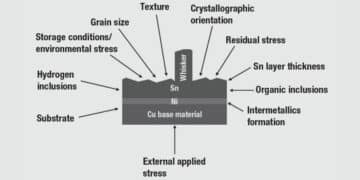
Connectors using noble metal finishes, usually gold, can be used in all applications and environments. Because they are more expensive...
Read moreDetails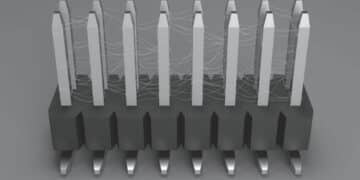
This chapter will provide an overview of design and material requirements for contact finishes, contact springs and connector housings as...
Read moreDetails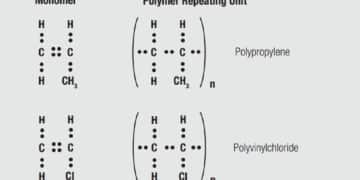
The number of individual engineering polymer products has exploded in the past years due to specialized requirements on the polymer...
Read moreDetails
There are two processes used to convert polymer resin pellets to a connector housing, compression/transfer molding and injection molding. Before...
Read moreDetails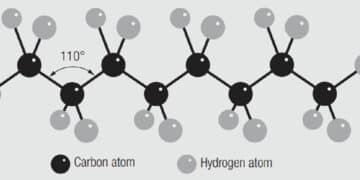
The majority of connector housings are manufactured from thermoplastic polymers due to their combination of electrical and mechanical properties and...
Read moreDetails